

AMD FidelityFX Super Resolution first look: We've tested it and it works flawlessly… | PC Gamer - scottlaing1940
AMD FidelityFX Super Resolution first base await: We've tested it and it works flawlessly…

AMD's drawn-out awaited answer to Nvidia's game-prettifying DLSS technology is here. We've had a good old drama with FidelityFX Ace Resolution (FSR) and it works. In fact, it works cleanly. But IT's also not quite what you thought. At least IT's not if you sentiment it was going to be something direct comparable with DLSS.
'Flawlessly' in this context doesn't mean identical from running at chuck-full native resolution.
But let's not get ahead of ourselves. Some AMD FSR and Nvidia DLSS set out to do largely the same affair, namely to improve epitome quality done upscaling a low res input to a higher resolution while boosting performance ended fully native rendering. The holy Holy Grail? Enjoying that elysian 4K get without the debilitating GPU load which normally comes along for the twit.
But here's the catch: AMD FSR and Nvidia DLSS go about things in dramatically different ways. Nvidia's DLSS uses fussy drawers AI and so-called 'deep acquisition' (hence the diagnose Cryptic Learning First-rate Sampling). This uses industrial levels of compute power to analyse a given stake, learn how trump to upscale that game's specified visual content, and then use dedicated AI hardware in Nvidia GPUs (those Tensor cores) to algorithmically use these learnings to create upscaled turnout to rival true native rendering for clarity and detail.
AMD's FidelityFX Super Firmness of purpose is a more conventional spatial upscaling applied science. There's no more AI, no 'deep learning'. Instead, FSR involves a spatial upscaling pass, followed by a sharpening go on, after which post processing personal effects look-alike motion-picture show grain and blackish-red aberration can be added. In raw performance price, AMD says FSR can boost skeletal frame rates aside A often as 2.4x.
AMD besides reckons FSR delivers, "cheeseparing-native resolution with super high-quality edges and distinctive pixel detail." Those claims, plus the inevitable comparison with DLSS, certainly set expectations pretty high.
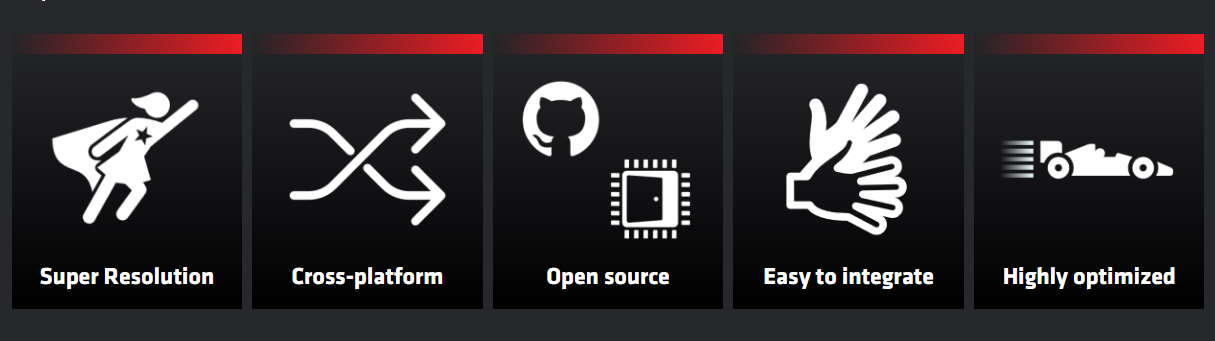
Arsenic for more specifics, we did put the question. Just for now the finer details of AMD's spacial upscaling algorithms aren't entirely clear. AMD told us that, "FSR is a spacial proficiency, IT does not depend on temporal information Beaver State use machine learning. IT takes the input image which is anti-aliased and applies a ad hoc algorithm to upmarket information technology and reconstruct piping-definition edges in the work on. A second cash in one's chips then applies sharpening to extract additional pixel detail from the see."
Which really just repeats that FSR is spatial upscaling, but with a sharpening conk.
Still, IT does sustain one more trick up its arm. Unlike DLSS, which requires a after-hours model Nvidia GPU, AMD's FSR tech is compatible with a wide kitchen range of nontextual matter hardware, including not just legacy AMD GPUs wish those from the Polar star fellowship (Radeon RX 580 et al) only too Nvidia graphics cards. For the record, that includes all AMD GPUs from the RX 400 forwards and all Nvidia GPUs from GTX 10 serial and newer. Ryzen Apus are also subsidised.
That speaks to the more than conventional spatial upscaling glide slope of FSR. It doesn't require specialist AI ironware much atomic number 3 Nvidia Tensor cores.
But what is FidelityFX Super Resolution actually like in-game? In really simple footing, it looks like conventional upscaling, just a bit improved.
On the top side, our experience with a range of gaming titles of variable tone indicates the experience is extremely accordant. AMD successful FSR-compatible builds of Godfall, Kingshunt, The Riftbreaker, Terminator: Electrical resistance, Anno 1800, and Evil Genius 2 ready for testing. Far Hollo 6, Myst, and Baldur's Gate 3 are among a further 12 titles AMD says are orgasm soon. Whatever the game, FSR just works, including happening an Nvidia GeForce RTX 3080 board.
On the downside, it lacks the conjuring trick of DLSS, which at its best john bet nearly indistinguishable from native resolution. Place another elbow room, you know that salving and blurring of icon quality you get when running not-native resolutions? That buttoned-down upscaling, when you're running, say 1080p on a 1440p panel or 1440p on a 4K monitor?
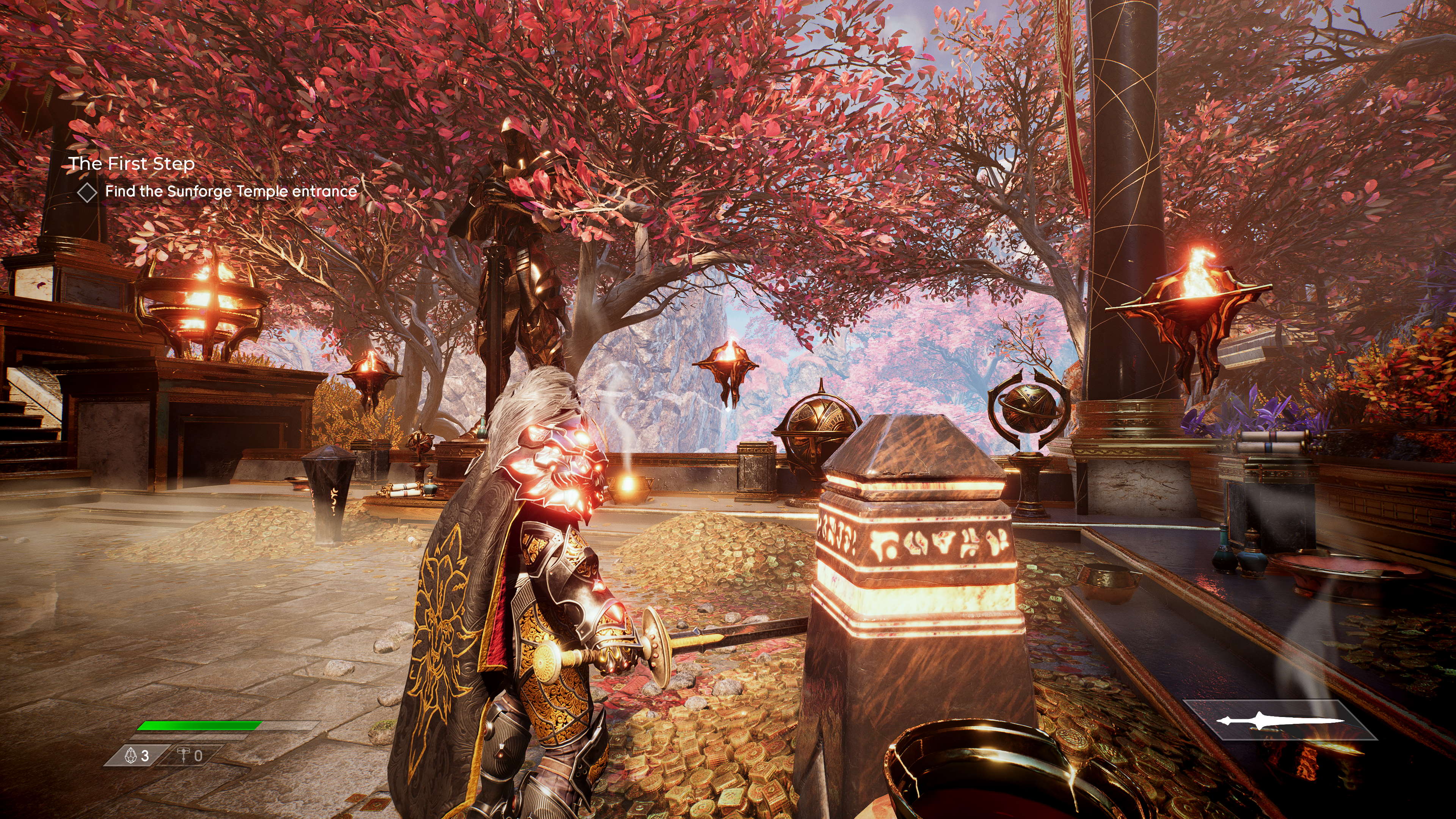
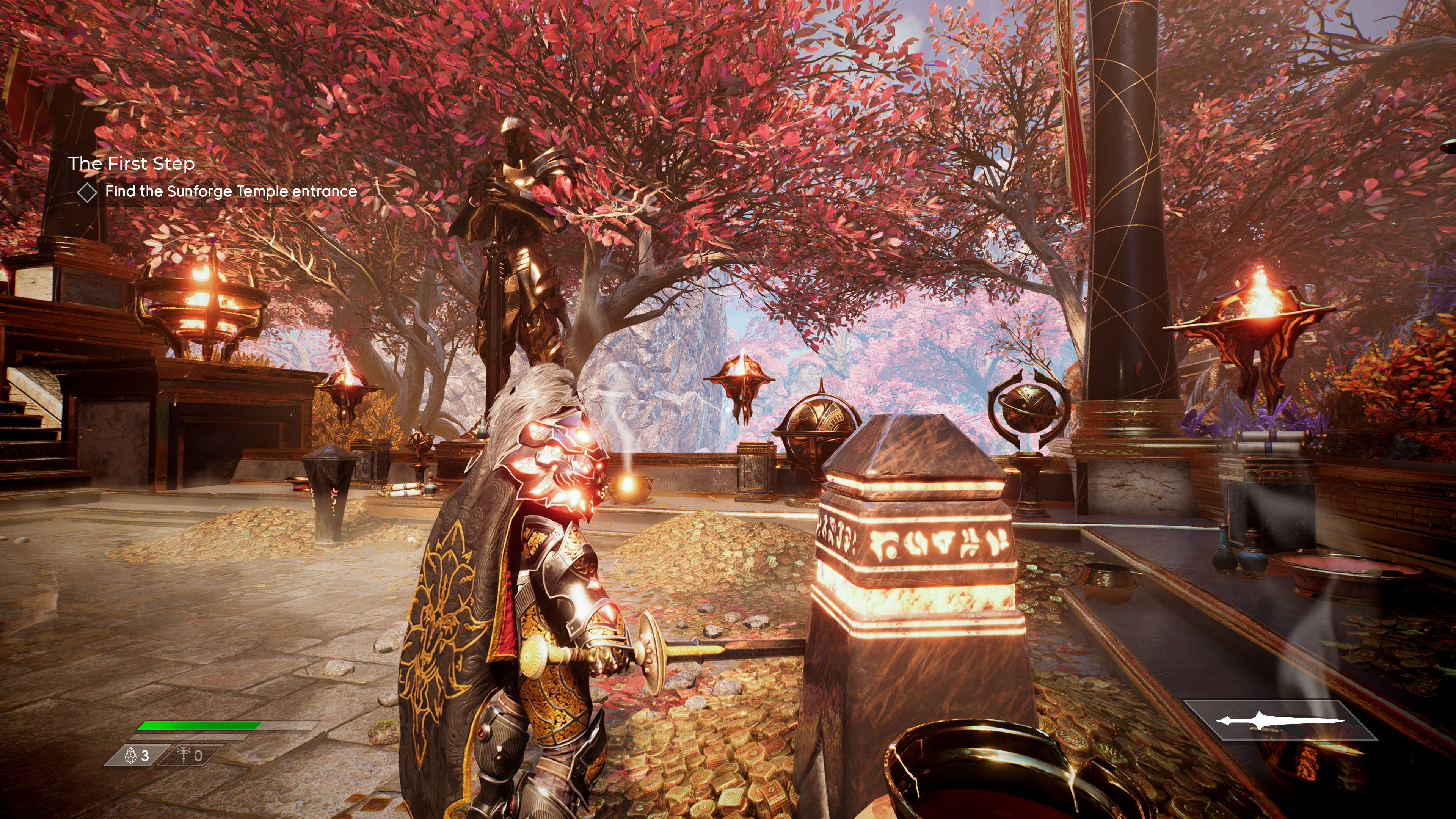
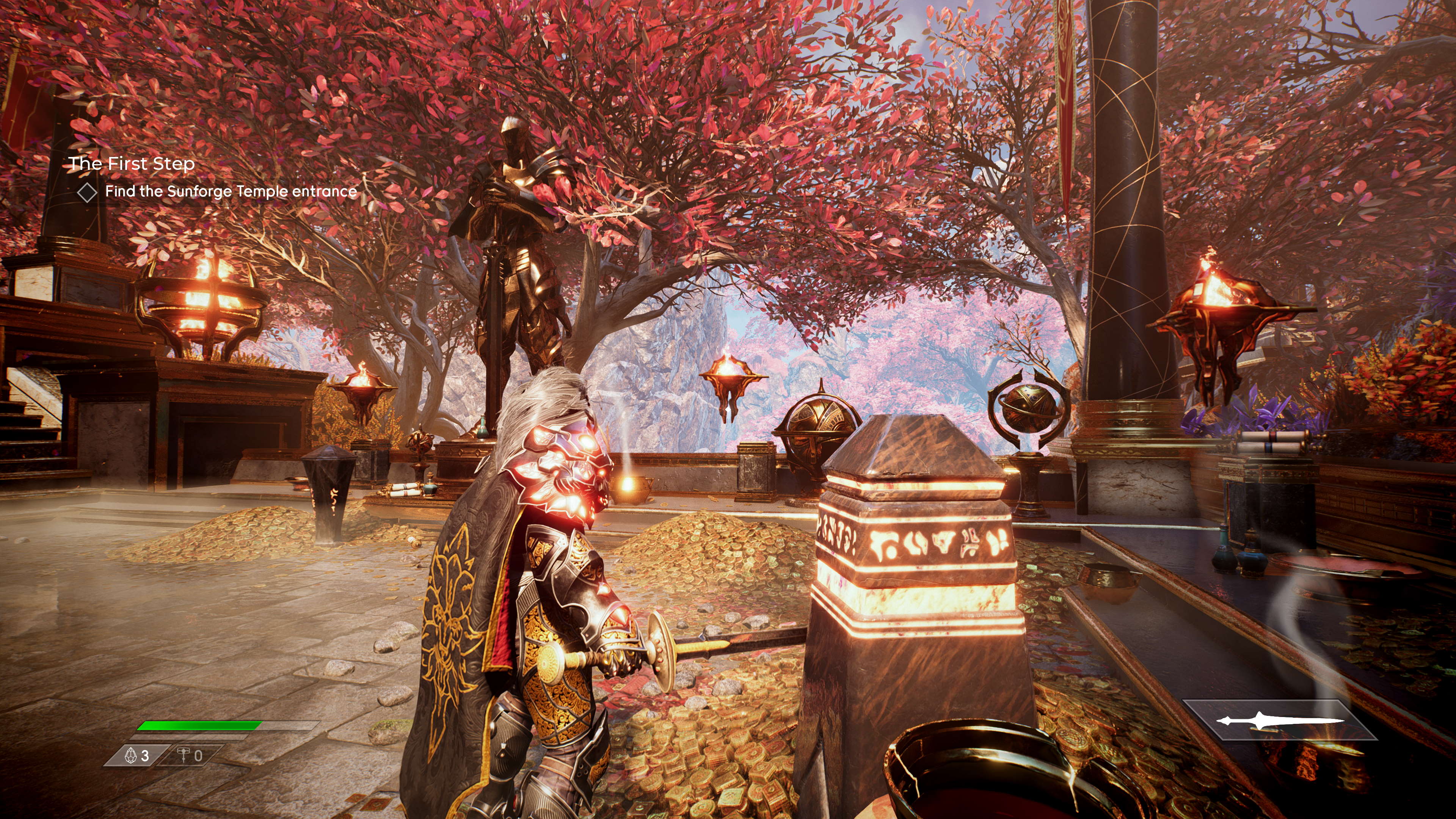
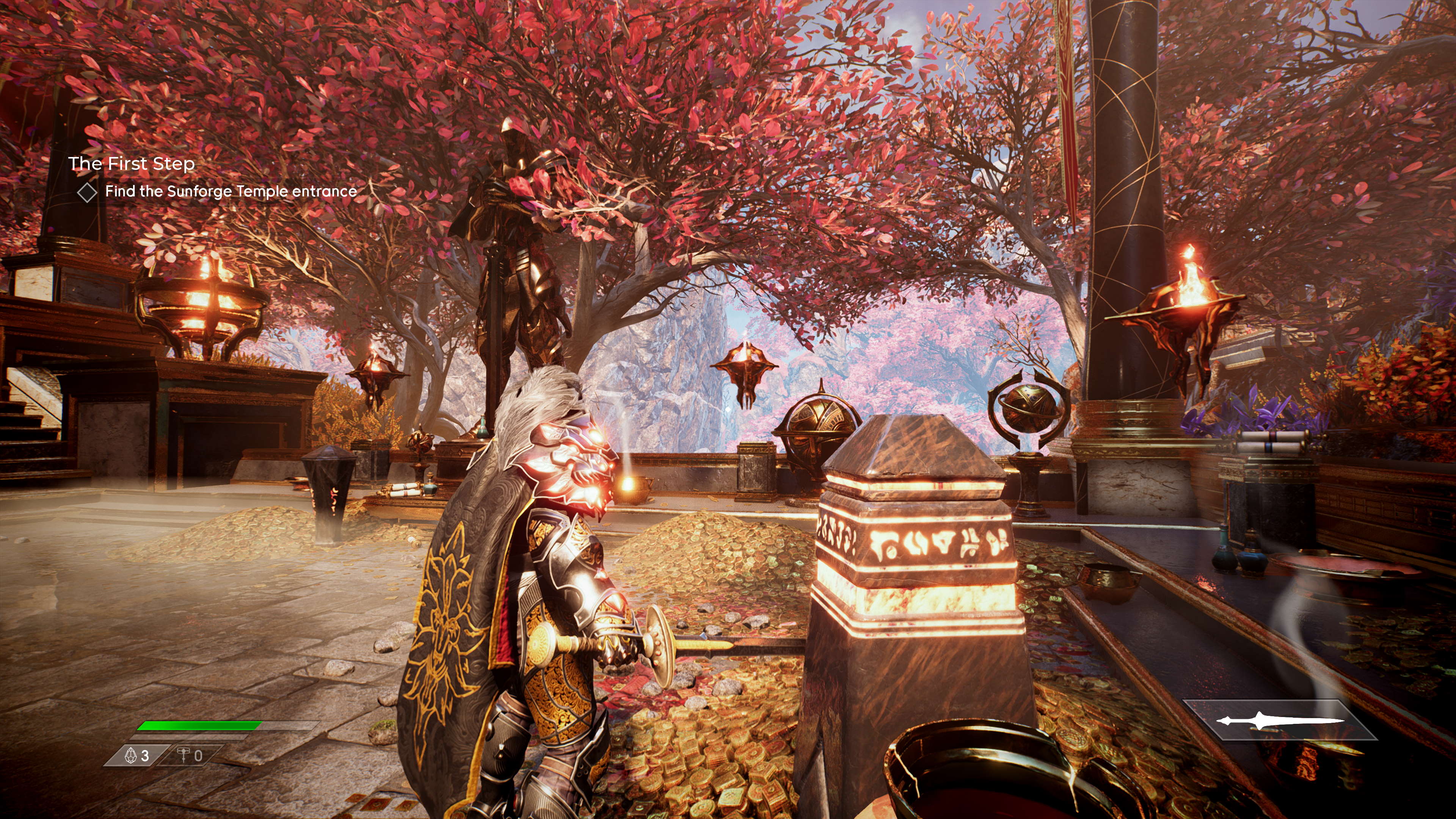
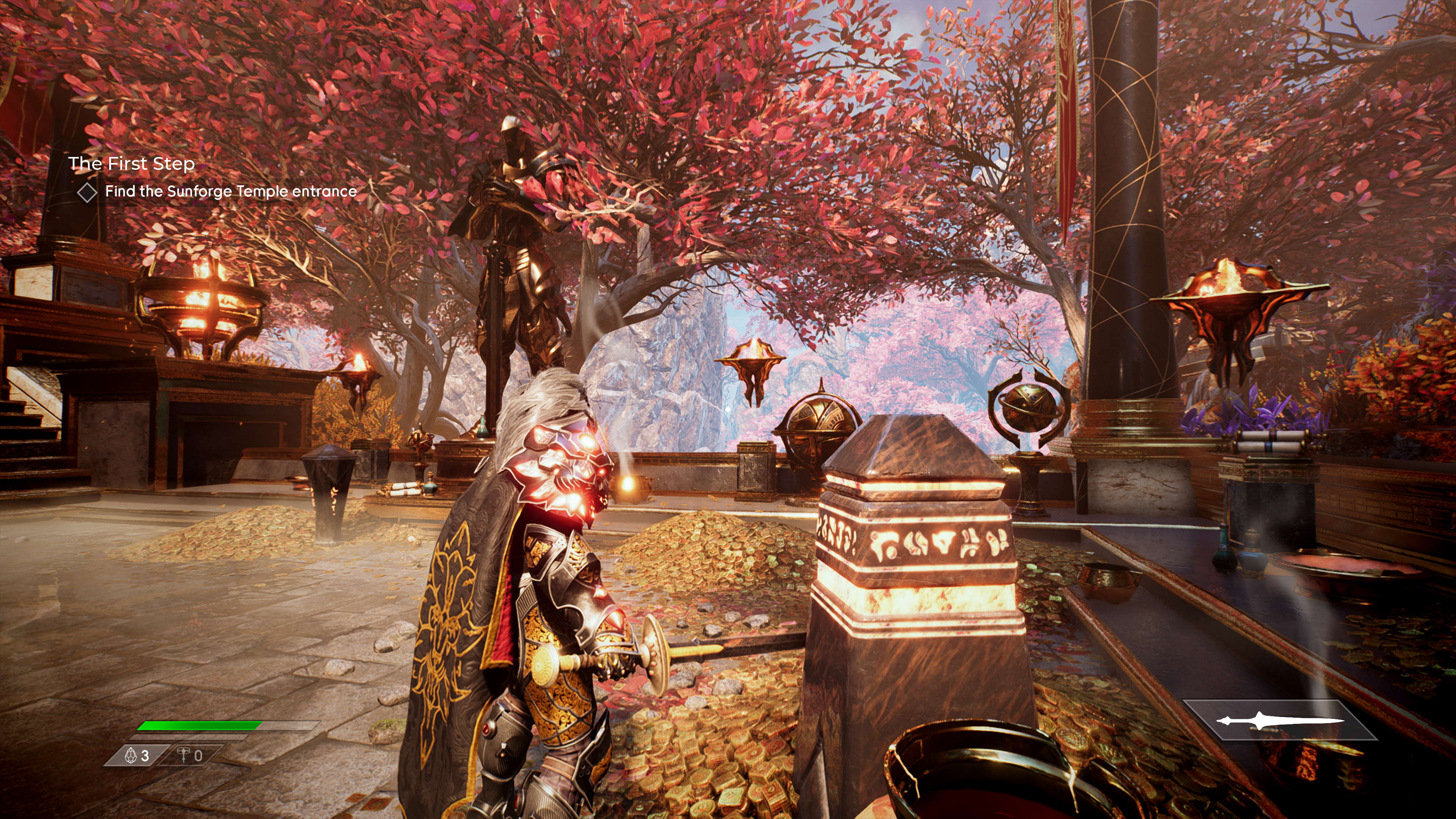
As our screen grabs impartial about usher, it's still there with FSR, only Thomas More subtle.
Godfall
| FSR Quality Musical mode | Scale of measurement Factor | Input Resolution for 1440p FSR Output | Stimulant resolution for 4K FSR output |
|---|---|---|---|
| Ultra Quality | 1.3x per dimension | 1970 x 1108 | 2954 x 1662 |
| Select | 1.5x per dimension | 1706 x 960 | 2560 x 1440 |
| Balanced | 1.7x per dimension | 1506 x 847 | 2259 x 1270 |
| Performance | 2.0x per dimension | 1280 x 720 | 1920 x 1080 |
Therein first looping of FSR, four quality modes are offered: Performance, Balanced, Superior and Immoderate Quality. At any given turnout resolution, each level pertains to a particular input resolution from which the output is scaled. When running at an output solving of 4K, for instance, Performance mode begins with an input resolution of 1080p, which is then processed and upscaled to 4K.
Balanced mode has an input resolution of 2259 x 1270, Quality is 2560 x 1440, and Ultra Quality steps that up to 2954 x 1662. If, but then, your monitor is 1440p, then Performance style has an input resolution of 1280 x 720, Equal is 1506 x 847 input signal, and so forth.
As you act kill done the modes from Ultra to Public presentation, the image quality becomes ever softer and to a lesser extent detailed, even as it does when you scale up ever lower non-native resolutions. But at apiece stage, FSR is always that bit better than conventional grading.
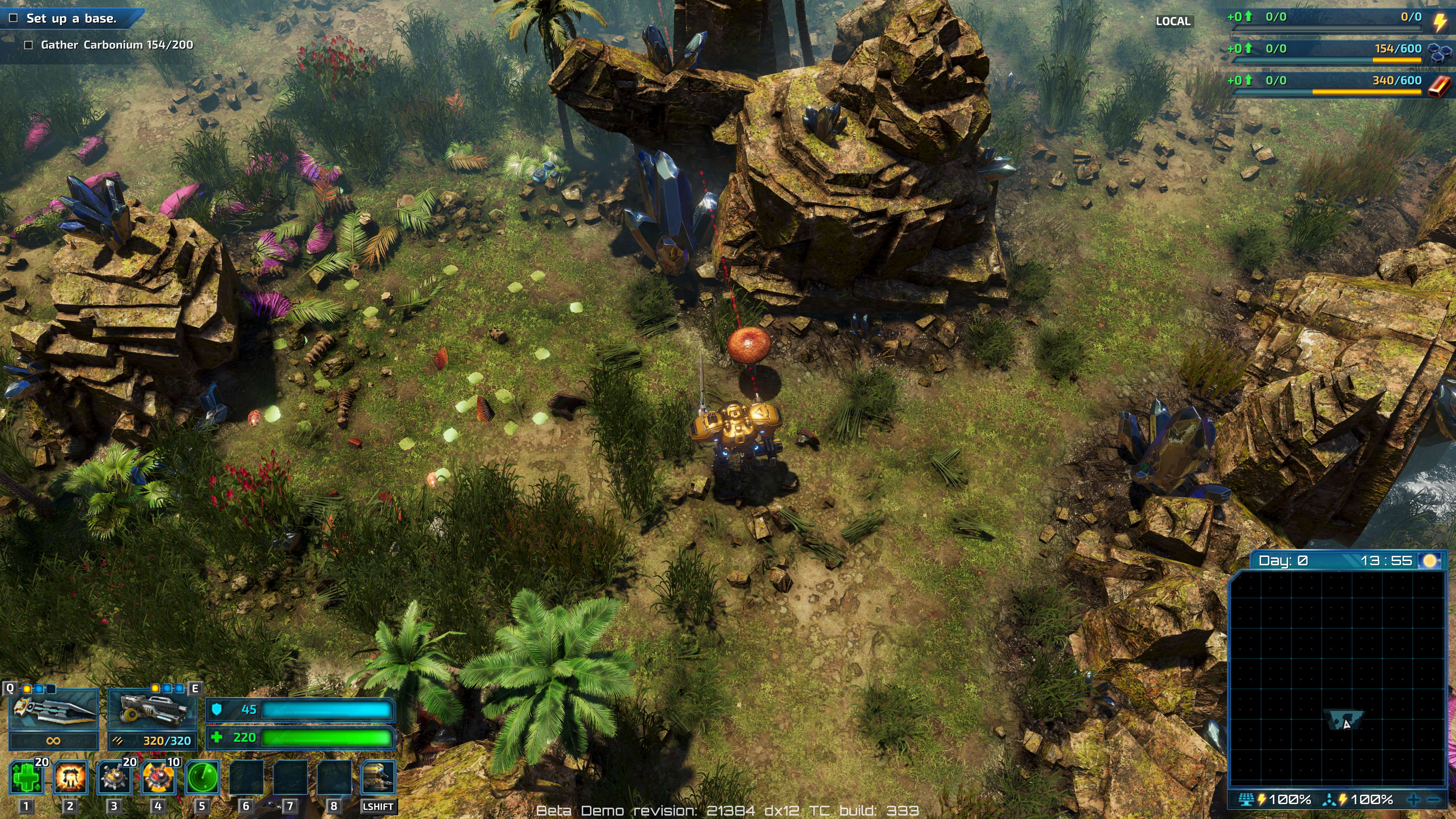
Riftbreaker
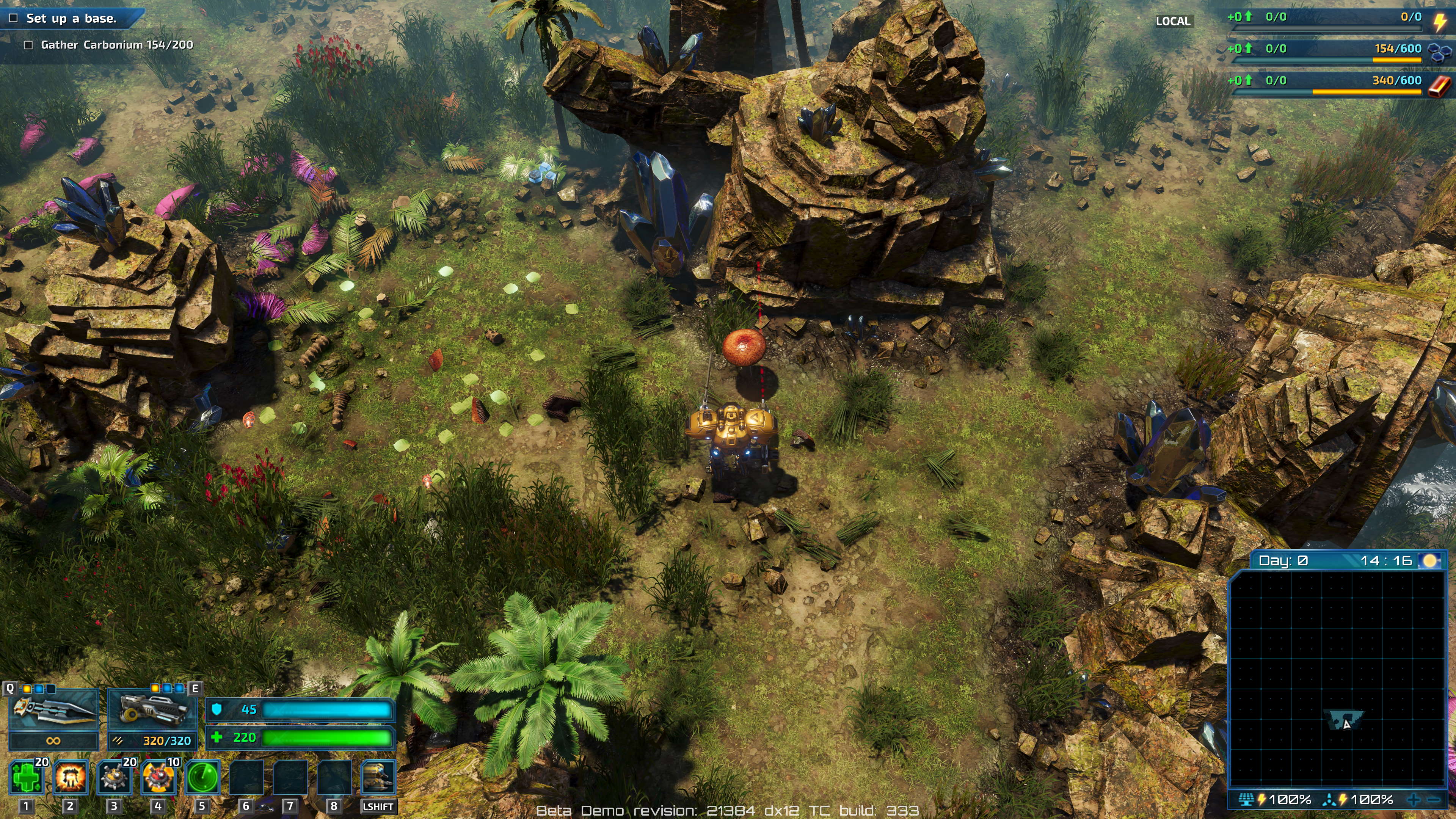
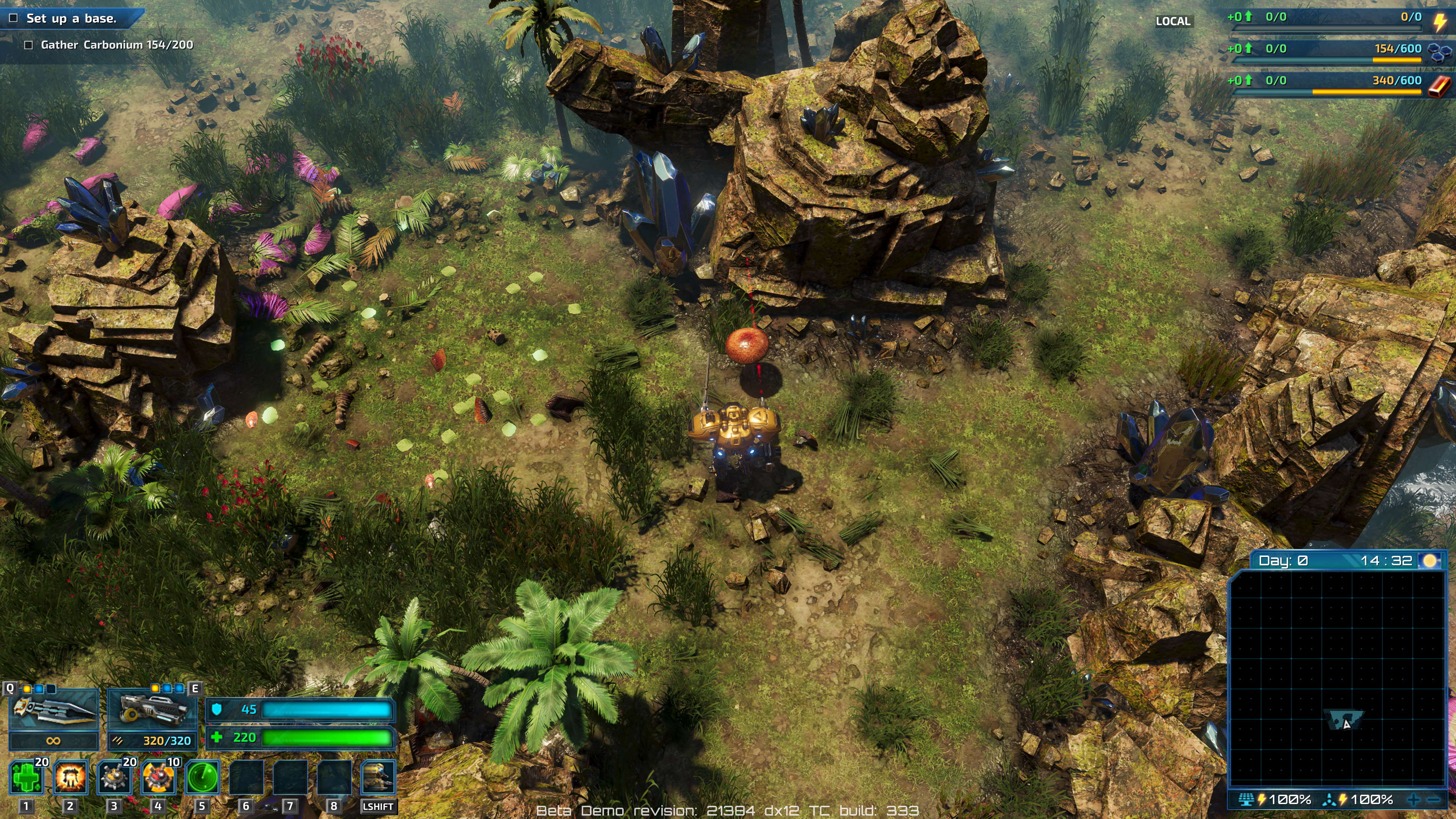
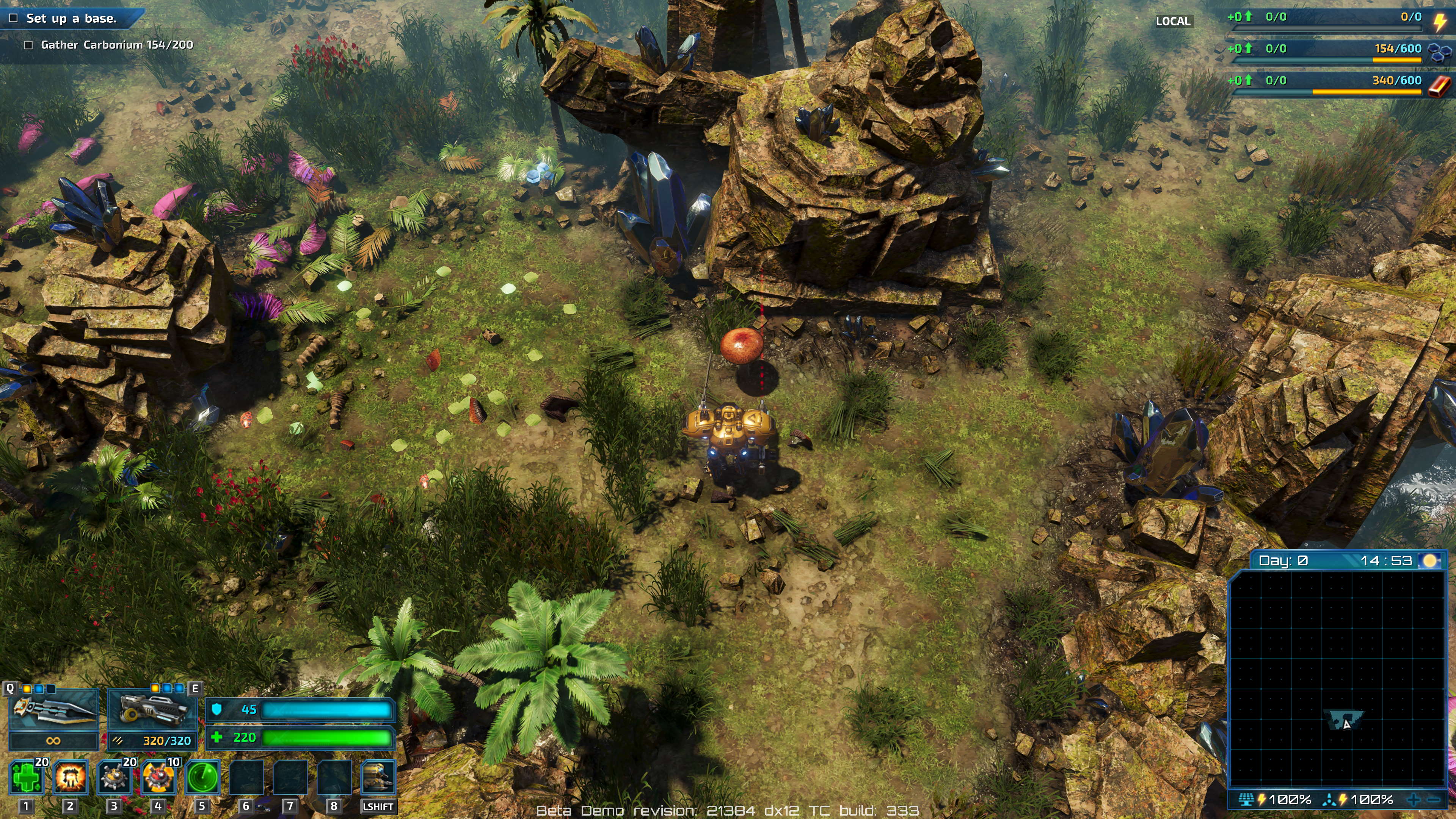
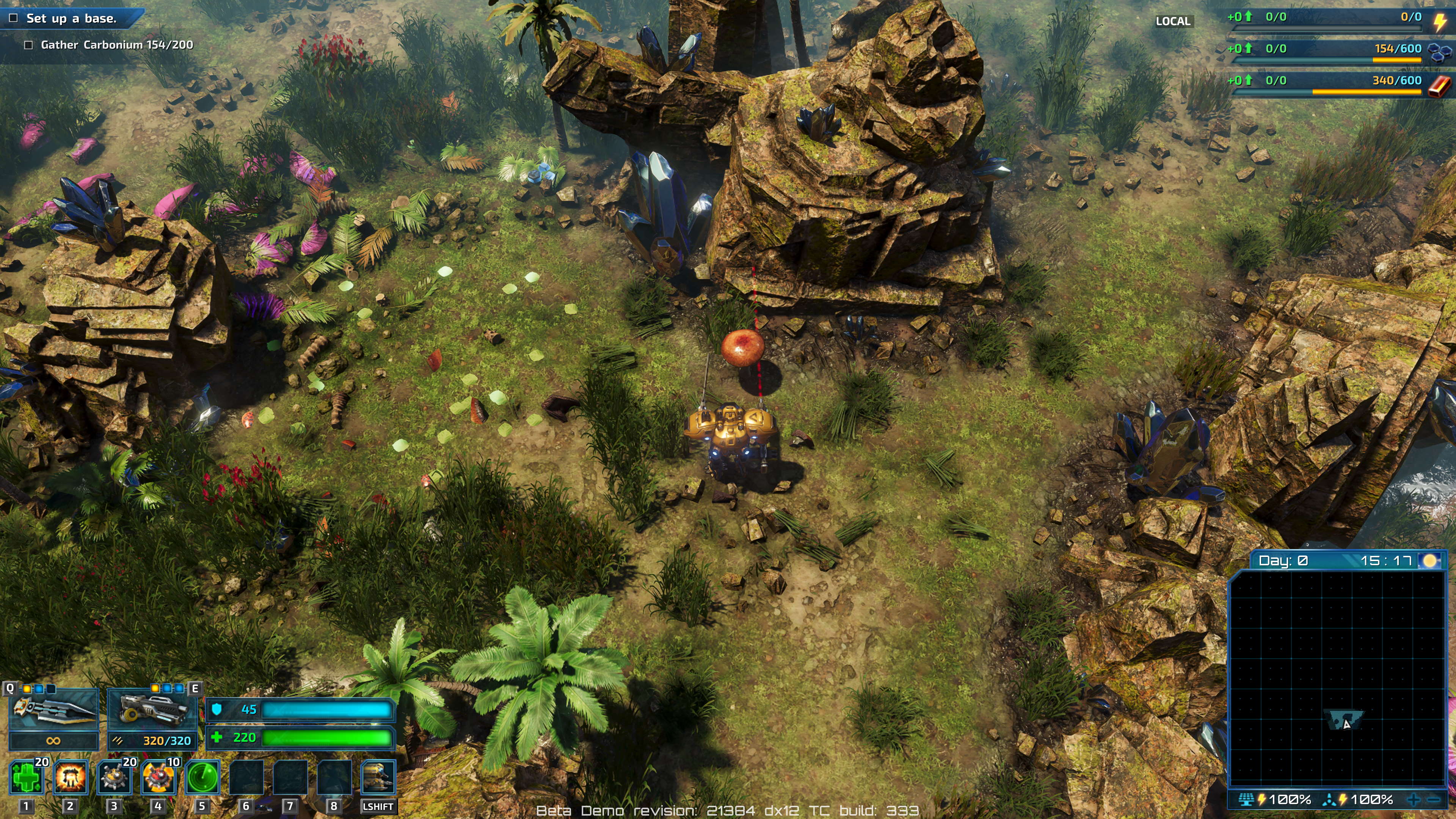
Indeed, with those input resoluteness numbers to hand, some identical useful and direct comparisons can be made. For example, FSR outputting at 4K in Upper-class modality involves an input resolution of 1440p. So, the interrogative is: How does that look compared to simply running at 1440p scaled informed a 4K monitor? To have any apprais the least bit, FSR of necessity to constitute better.
And it is better, in Sir Thomas More ways than one.
Firstly, FSR's grading is that little bit sharper and clearer. It's non a genuinely dramatic difference, but it is sensible. Just. Capturing the difference in objective price between FSR scaling 1440p up to 4K, and conventional grading running 1440p non natively on a 4K control board, is slightly problematic minded that screenshots can't be used therein context. We've taken photographs for you to peruse, but as you can see, there's non much to experience, such is the subtlety in the difference.




The other upside involves game HUD or exploiter interface. With FSR, these are rendered separately and added after the upscaling. In other words, they're displayed at full native resolution with all the clarity and precision that implies disregardless of which setting you're using. The more extensive the UI in a given back the more significant that is.
Among the games we previewed, the action-RPG Riftbreaker has pretty talkative UI elements and when running FSR the clarity of the UI gives the impression of running full native even when the game locomotive rendering is being armored at one of the lower FSR settings. In games with minimal UI, like the shooter Terminator: Impedance, the gain is much less obvious.
FSR delivers a precise duplicatable experience. We saw no more bugs or flaws operating theatre weird image artefacts. It just plant.
Separated from comparison FSR with standard non-native grading, the other inevitable yardstick is Nvidia's DLSS. Comparable we said, at its best and in its latest much improved 2.0 iteration, it can be very hard to distinguish between DLSS scaling and running full endemic resolution. What it does is a itsy-bitsy fleck magic.
That's not to say DLSS is perfect, but it does deliver tangibly different instead than simply slightly better results to accepted upscaling. That characteristic upscaled softness and blurriness ISN't there with DLSS in its highest timbre settings.
It is with FidelityFX Super Resolution, albeit only just when running at the top Radical Calibre setting. That makes signified conferred that Extremist involves a precise high and close-fitting-to-native input resolving. But even in Performance manner, FSR is definitely a touch sharper than simply grading 1080p all the mode up to 4K.
It's also worth noting that FSR delivers a very consistent feel. We saw no bugs or flaws or Weird image artefacts. Information technology just plant. That applies as much to the Nvidia GPU we tested as the Radeon RX 6800 Crosstalk board that diagrammatical AMD's GPUs running FSR.
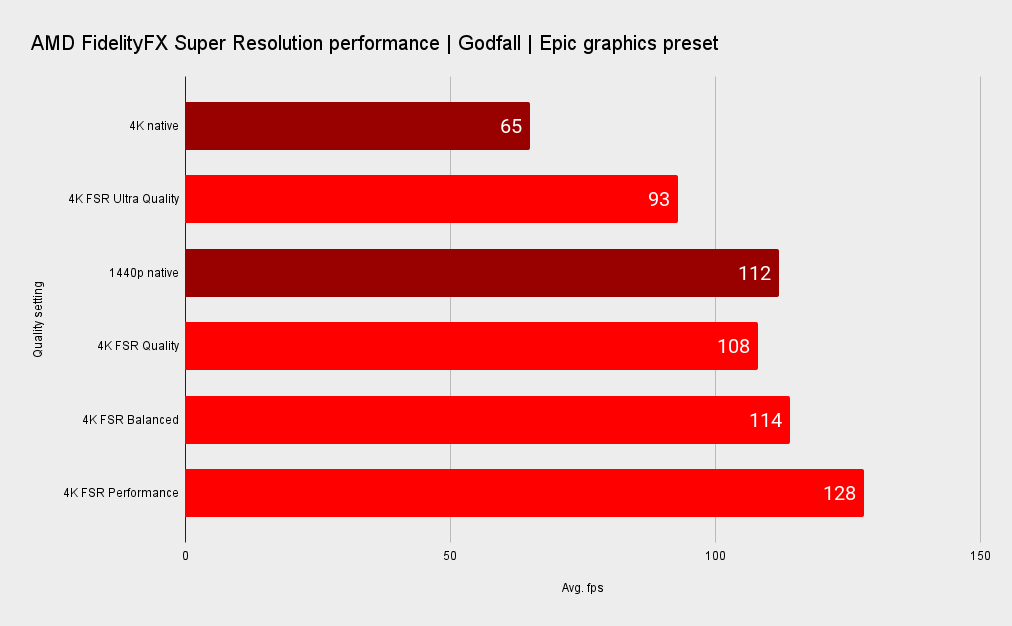
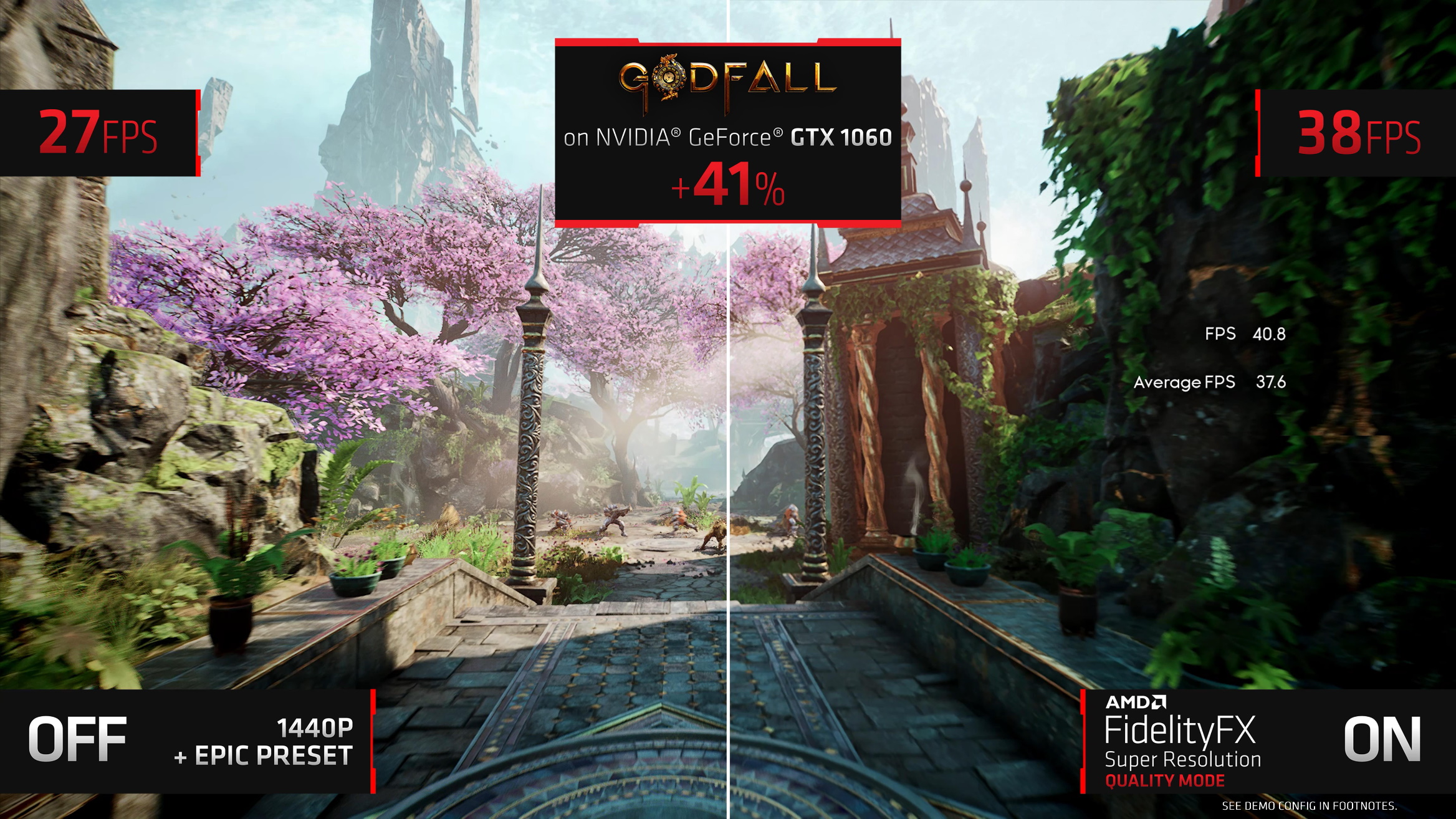
The final piece of the puzzle is performance. AMD reckons connected busy 2.4x boosts in execution at 4K. We achieved more or less 2x in Godfall, so it's a glib claim. But those gains will naturally apply to Operation manner, which involves upscaling from 1080p. You would never, e'er fuddle FSR in Performance mode for native 4K gaming, not even scalelike.
Arguably more fascinating is the question of how much overhead FSR adds. Comparing FSR in 4K Quality mode with an input signal settlement of 1440p to conventional 1440p upscaling (running at 1440p with no FSR on a 4K monitor), the answer is a few share points. 4K FSR Quality returns 108 fps, spell plain old 1440p runs at 112 Federal Protective Service. That's important because IT means you lavatory have FSR's superior scaling with little to no performance collision.
Every bit a rimose guide so, FSR carrying out is pretty much in line with the input signal resolution utilised in each quality mode.
AMD's FSR is a worthwhile improver to every gamer's toolbox.
Our general takeaway is that, taken in isolation, AMD's FSR is a worthy addition to every gamer's toolbox. Information technology gives you another way of striking that equipoise between performance and upper-class. When you add Nvidia's DLSS into the mixture, however, FSR's proposition isn't quite as compelling.
You can draw a analog with other art technology where Nvidia emotional first with a proprietary technical school and AMD followed with an open beginning solution: G-Sync and FreeSync. Only while Nvidia's G-Sync adaptive refresh chopine is looking increasingly redundant in the face of the more open and inclusive AMD FreeSync, we don't think FSR is probably to usurp Nvidia's DLSS, straight given time for encourage refinement.
FSR is soh essentially different, information technology will ne'er do what DLSS derriere do.
DLSS is a much more complex, more advanced plan of attack to icon grading. IT's non conventional spatial scaling done better. It's a new approach. That, no doubt, is wherefore the first version of DLSS was soh problematic. The potential was on that point, but then were the bugs. With DLSS 2.0 the true powerfulness of that approach path finally paid off.
Meanwhile, AMD's FSR is a more conventional technology, adding many polish and the horsepower of fashionable GPUs to deliver better attribute scaling. It's not wholly new, but it is improved.
Is it equally acceptable as DLSS? Nope. Does it redeem on AMD's claims of "left-native resolution with super high-superior edges and distinctive picture element detail"? Not really. But on this early showing it does serve up a same consistent see and from everything we infer around FSR, it ought to be pretty insignificant for game developers to tote up support.
So, FidelityFX Super Resolution isn't radical. It's non a true challenger for DLSS, but it's makes for a worthwhile sub in games which don't have Nvidia's proprietary technology.

Source: https://www.pcgamer.com/amd-fidelityfx-super-resolution-tested-benchmarks/
Posted by: scottlaing1940.blogspot.com
0 Response to "AMD FidelityFX Super Resolution first look: We've tested it and it works flawlessly… | PC Gamer - scottlaing1940"
Post a Comment